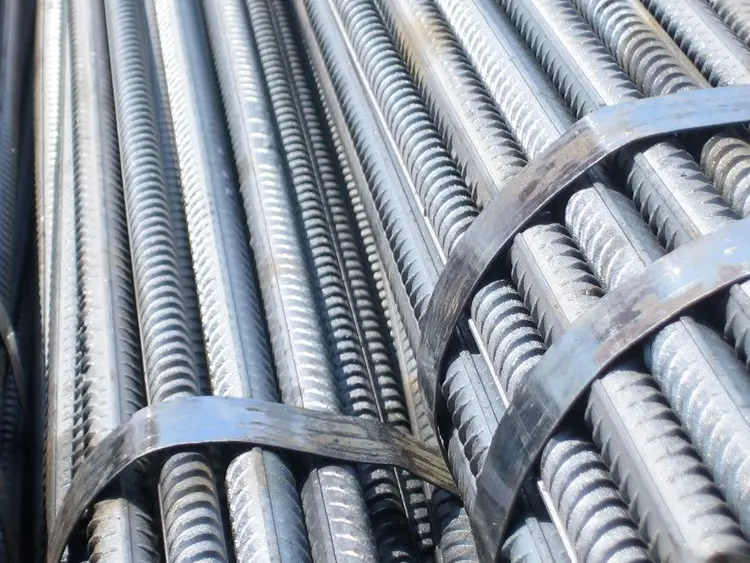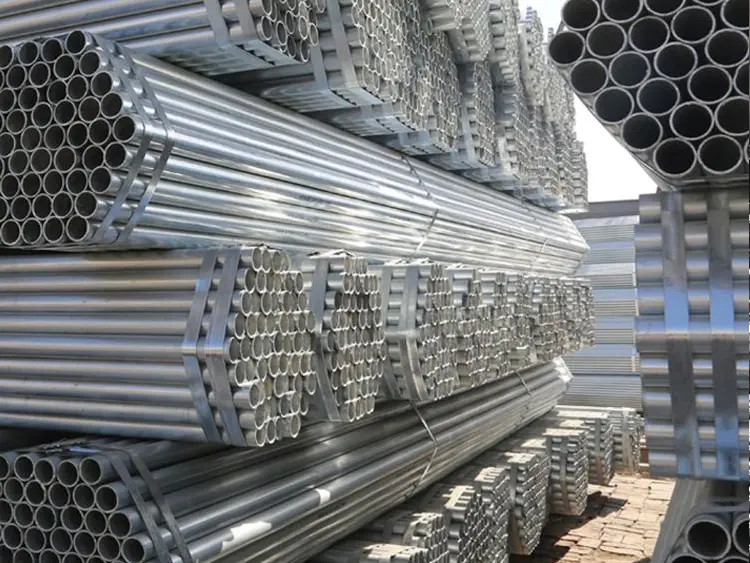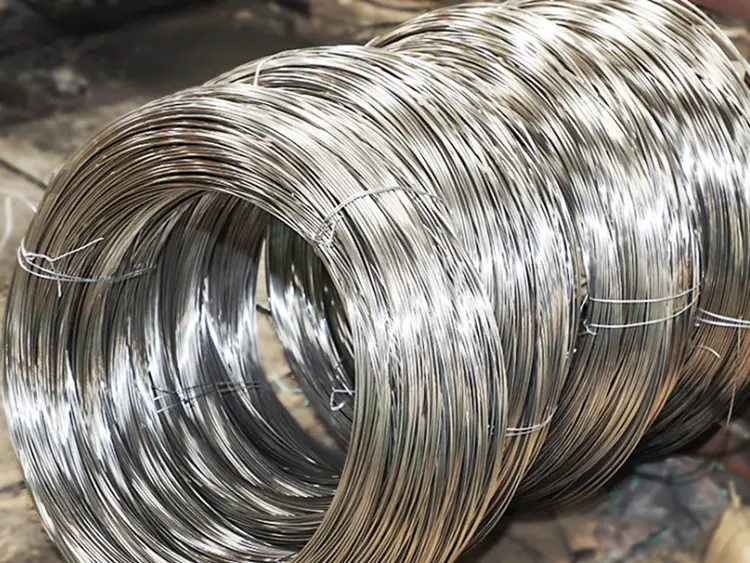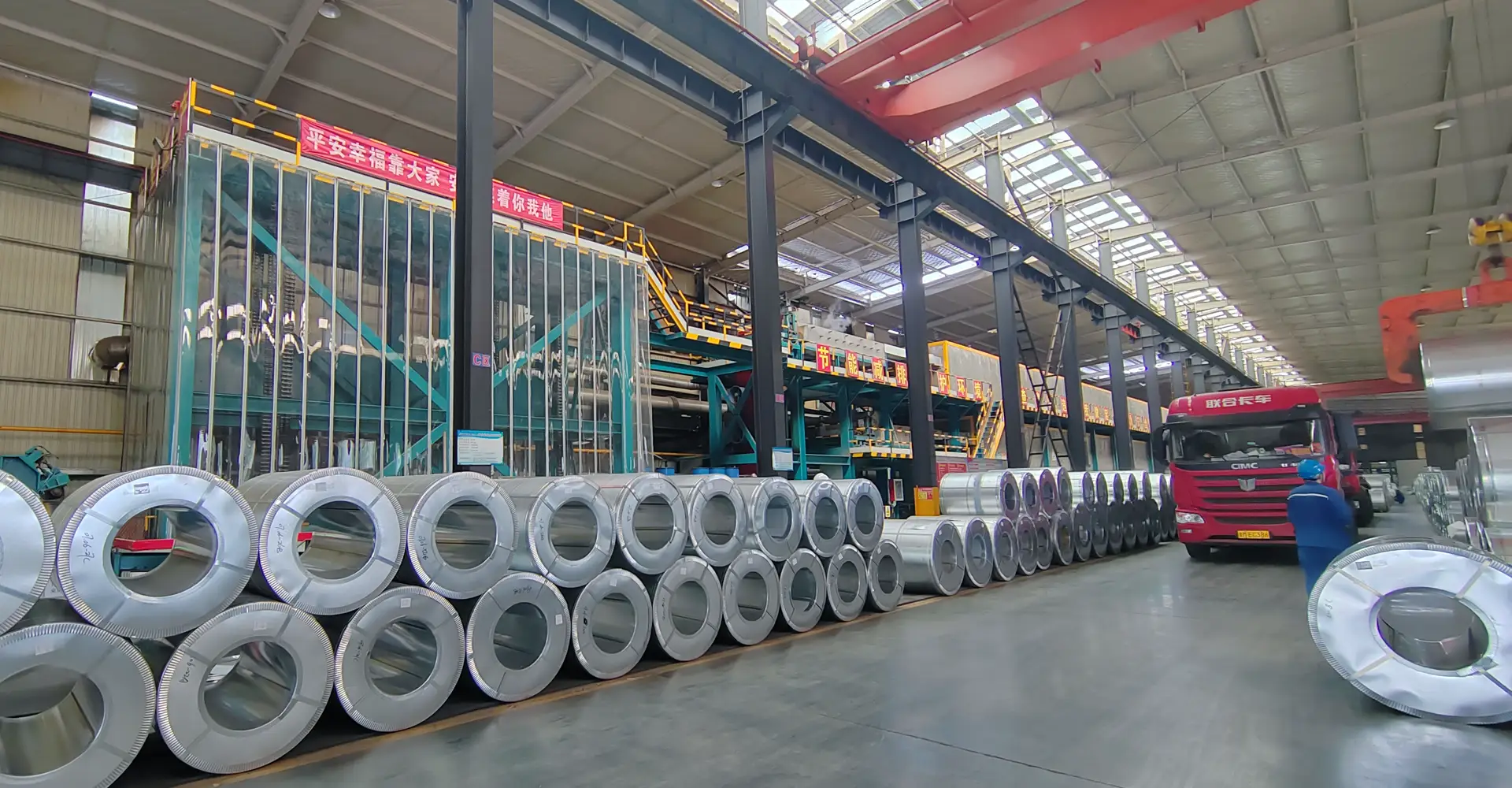
A container of rebar that reaches Apapa or Tin Can without a valid SONCAP Certificate does not clear. It sits, demurrage and terminal charges run, and the certificate that should have been arranged in China has to be fixed from Lagos. Almost every one of these delays traces back to documents the exporter should have handed over weeks before loading. This guide lists what your steel supplier must provide, and when, so the certificate is ready before the vessel sails.
What SONCAP is, in two sentences
SONCAP (Standards Organisation of Nigeria Conformity Assessment Programme) is SON's scheme for checking that regulated imported products meet the relevant Nigerian Industrial Standard (NIS) or an approved international standard before they are shipped. SON does not do the inspection work in China itself: it appoints accredited independent conformity assessment providers, usually called AICs, which are international testing and inspection companies with offices in exporting countries.
Steel products used in construction, including reinforcing bars, steel pipes and tubes, wire and wire products, and roofing sheets, are regulated items, so assume SONCAP applies unless your AIC confirms otherwise in writing.
Two certificates, two different jobs
| Product Certificate (PC) | SONCAP Certificate (SC) | |
|---|---|---|
| What it covers | A product type from a specific manufacturer | One specific shipment |
| Who issues it | The AIC, after document review and testing (and a factory audit on some routes) | The AIC, against a valid PC and the shipment's documents |
| When it is needed | Before the SC can be requested | Before customs clearance in Nigeria |
| Who normally applies | The exporter or the Nigerian importer, through the AIC | The importer, using documents from the exporter |
Most AICs offer different certification routes depending on whether a product is unregistered, registered or licensed with them. Registered and licensed products need less testing per shipment but require more preparation up front. For a buyer importing the same rebar size range several times a year, asking the supplier which route its products are on is one of the most useful questions you can ask.
The supplier's document pack
For a typical steel order, the AIC will ask for most of the following. Your supplier should be able to send them before loading, not after:
- Proforma invoice showing product description, standard and grade, sizes, quantity, unit price, Incoterm and HS code. It must match the Form M exactly.
- Mill test certificate to EN 10204 3.1, with heat numbers, chemical composition and mechanical test results for each heat in the shipment.
- Test reports from a laboratory recognised by the AIC, where the route requires them, showing compliance with the declared standard (for rebar, NIS 117 or BS 4449 are the references most often seen; for pipe, the standard on the order such as BS 1387 or ASTM A53).
- Packing list with bundle count, bundle weights, sizes and heat numbers per bundle.
- Product photographs and labels: bundle tags, rolled markings on rebar, stencil or ink-jet marking on pipe, coil labels on wire.
- Commercial invoice and certificate of origin for the final SC application, consistent with the proforma.
- Bill of lading or booking details once the vessel is fixed.
Ask for the mill certificate and test reports in the same standard and grade designation used on the Form M. A Form M that says "BS 4449 B500B" and a certificate that says only "HRB400" invites questions, even if the steel meets both; our rebar grade comparison explains how these grades relate.
The Nigerian side: Form M and PAAR
SONCAP sits inside the wider import process. The importer opens a Form M through an authorised dealer bank before shipment, and the Nigeria Customs Service later issues a Pre-Arrival Assessment Report (PAAR) used for duty assessment and clearance. The SC number, invoice values, HS codes and quantities need to agree across Form M, PAAR and the SONCAP file. Mismatches between these documents cause more holds than failed tests do.
Where steel shipments usually get stuck
- Grade or standard wording differs between invoice, mill certificate and Form M.
- Heat numbers on the bundles are not on the mill certificate, or the certificate covers a different tonnage.
- Size range changed after the PC was issued, for example adding 25 mm and 32 mm bars to an order certified for 10–20 mm.
- Markings missing. Rebar without legible rolled identification marks, or pipe without standard and size stencilled, is hard to match to its paperwork. See our rebar inspection guide for what the markings should show.
- Documents requested after loading, when the shipment can no longer be inspected or sampled in China.
A timeline that avoids demurrage
| Stage | Action | Who |
|---|---|---|
| Contract signed | Confirm standard, grade, sizes and HS codes; choose the AIC | Importer and supplier |
| Before production ends | Open Form M; start or renew the PC; arrange sampling and testing if required | Importer, supplier, AIC |
| Before loading | Send mill certificate, packing list and photos; any pre-shipment inspection | Supplier, AIC |
| After loading | Submit final invoice and bill of lading; obtain SC | Importer, AIC |
| Before arrival | Complete PAAR with the SC details | Importer, clearing agent |
Processing times differ by AIC, product and route, so ask the AIC for its current lead time when you open the file rather than relying on a past shipment.
Questions to ask a Chinese steel supplier before you pay a deposit
- Have you shipped this product to Nigeria before, and through which AIC?
- Can you issue EN 10204 3.1 mill certificates per heat, in the grade wording we will use on the Form M?
- Will you allow AIC sampling and inspection at the factory or warehouse before loading?
- Are rebar, pipe and coils marked so that each bundle can be traced to its heat number?
Zebra Steel supplies rebar, steel pipe and wire for African buyers. Send us your Form M product description and your AIC's document list, and we will tell you which documents we can prepare for your order.
Frequently asked questions
Is SONCAP required for steel rebar and pipe imported into Nigeria?
Construction steel such as rebar, pipe, wire and roofing sheet is treated as a regulated product, so a SONCAP Certificate is normally required for customs clearance; confirm with your AIC before shipment.
What is the difference between the SONCAP Product Certificate and the SONCAP Certificate?
The Product Certificate covers a product type from a specific manufacturer, while the SONCAP Certificate is issued for each individual shipment against a valid Product Certificate.
Who issues SONCAP certificates for goods shipped from China?
Accredited independent conformity assessment providers (AICs) appointed by the Standards Organisation of Nigeria issue both certificates through their offices in exporting countries.
Which supplier documents are most often the cause of SONCAP delays?
Mill test certificates whose grade wording, heat numbers or tonnage do not match the invoice, packing list and Form M.
Need a quotation?
Send us the size, grade, quantity and destination port — we reply with a CFR/CIF price, usually within 24 hours.